
We spend most of our lives daydreaming. Swinging between fantasies of success and failure, self-importance and self-pity, helplessness and omnipotence. Somewhere in-between, reality is available. Fritz Perls, the founder of Gestalt therapy, called it the psychology of the obvious, and described the neurotic person as the one unable to see the obvious.
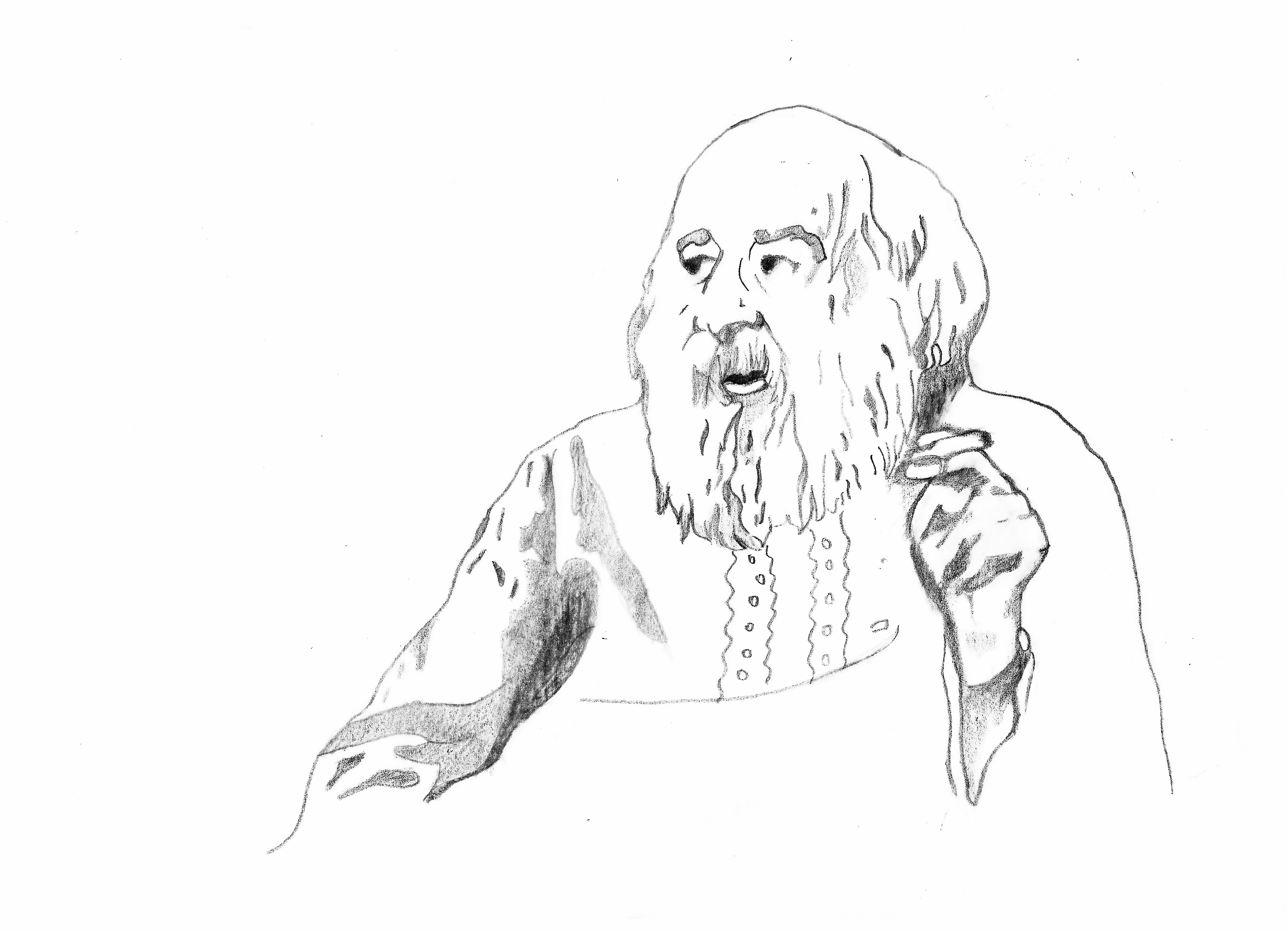
Gestalt is a German word meaning shape or form, and in this context it refers to something that is more than the sum of its parts. Much of today’s therapeutic landscapes only refer to it as the “chair” exercise, where a person can represent different attitudes towards a subject by sitting in different chairs. But Gestalt psychology and therapy are much more than that.
There is a difference between what happened in the past and the impact it has on a person today, in the here and now. While the former cannot be changed, the latter can. It is possible to spend years ruminating about the past without addressing the current problem, which is where the window to a better future exists.
The past can be a source of pride, shame, nostalgia, disgust, or regret. The future, a source of dread, hope, expectations, hesitation. All of it can be true and, still, stay where they belong - in the realm of memory and imagination, like pictures on the wall, rather than a place to live in.
Such a shift takes work, which is aimed at present awareness. What are you thinking of right now? How does it feel to think that? What is the purpose or function of this thought? We aren’t naturally inclined to see our thoughts as processes with functions, rather we tend to experience them as who we are, which is an error. Thoughts arise for reasons - almost always linked to survival. Confusing them with “being” is a mistake that can lead to all sorts of fantasies and despair.
Current psychological techniques focus on evidence-seeking: is a thought really true? Yet, I believe a more productive approach is to take this a little further: is it true and what is it doing for you? What sort of threat or discomfort is it trying to prevent? Just because we have managed to evolve as a species does not mean the human mind is perfectly designed, it has many flaws. However, our minds are extremely capable of re-adjusting, adapting, learning, and in certain ways, healing.
Fritz Perls argues present awareness is, in itself, healing. That is because the present moment is clear of hang-ups, things are what they are, as they are, and there isn’t more to it other than imagination. Memory and imagination, things which evolved to aid survival, can be damaging as well. They can hurt, frighten, paralyse just as they can inspire, create, and move forward. The key is to understand they are tools, not existence itself. If you do not see that, you will be a victim of your past and circumstances. But if you use them as they can, you can do almost anything you dedicate yourself to do.
Therapists of any modality can help with that, even if just as a sounding board who can help you reflect and realise the difference between imagination and reality - which is hard even for experienced practitioners like me. I still find myself lost in delusions from time to time, it takes effort to keep present awareness.
No one holds the answer to your life, and no one can change you from the outside. That isn’t bad news. It means the answer is already yours to find, and you don’t have to find it alone. A good therapist isn’t a fixer but a companion with a few maps: they can point out what you can’t see from inside, offer some options, and keep you company while you try them. They can walk beside you, but you’re the one who walks.
If you’re considering therapy, you’re welcome to book a free 15-minute call with me. We can see whether I’d be a good companion for your walk.